Kamberri
Yuma
Hello; welcome
Yoo-mah
Kamberri is the traditional name from which "Canberra" derives, meaning "meeting place." The Ngunawal and Ngambri peoples have cared for this country on the limestone plains for tens of thousands of years.
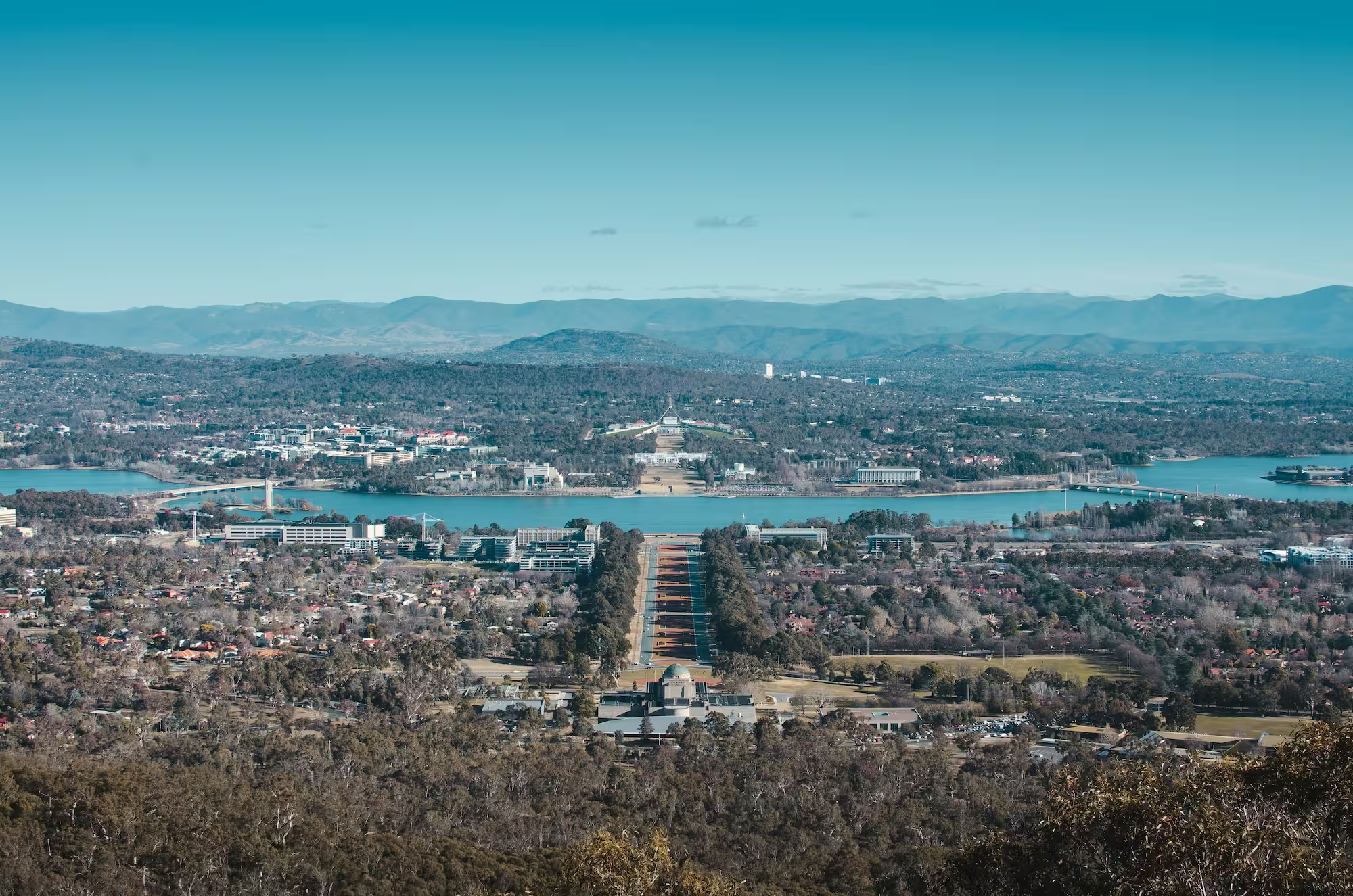
The Ngunawal people The Ngunawal (also written Ngunnawal) people are the Traditional Owners of the land on which Australia's capital, Canberra, now stands. Their country extends across the Australian Capital Territory and surrounding regions of New South Wales, from the Yass area east through the limestone plains to the Brindabella Ranges and beyond to the coast. The Canberra region — known as Kamberri, from which the city's name derives — was a significant meeting place where Ngunawal people gathered with neighbouring nations for ceremony, trade, and seasonal gatherings. The Molonglo River (known to Ngunawal as the Molonglo) and surrounding wetlands provided food and fresh water, while the bogong moth migrations to the Brindabella Ranges drew Aboriginal peoples from across the region for annual feasting and ceremony. Today, the Ngunawal people are recognised as Traditional Custodians of the ACT through the United Ngunnawal Elders Council and other community organisations. The Ngunnawal greeting "Yuma" — meaning hello — is increasingly heard in Canberra, and the ACT Government formally acknowledges Ngunnawal country in its protocols. Language revitalisation and cultural education programs continue to strengthen Ngunawal identity and connection to country.
The Ngambri people The Ngambri people are an Aboriginal group whose traditional country includes the area now occupied by Canberra and surrounds. The name "Canberra" is widely understood to derive from "Kamberri" or "Ngambri," connecting the city's identity directly to this ancestral group. The Ngambri share custodianship of the Canberra region with the Ngunawal people, and the relationship between these groups reflects the complex web of kinship and country that characterises Aboriginal societies across the region. Ngambri country encompasses the limestone plains, river valleys, and highland areas of the ACT region. Like their neighbours, the Ngambri participated in seasonal gatherings centred around the bogong moth harvests in the alpine areas and the rich resources of the Molonglo and Murrumbidgee river systems. The open grasslands and woodland of the Canberra plains were managed through traditional burning practices that maintained the landscape for both people and wildlife. Today, the Ngambri community continues to advocate for recognition of their distinct identity and their deep historical connection to the Canberra region. Cultural practices, language preservation, and the maintenance of connection to country remain central to Ngambri identity.
Made with love in Meanjin
Always will be is a privately run, Aboriginal owned and led project that aims to improve the connection people feel to country and the understanding people have about Aboriginal and Torres Strait cultures, history and people.